

Digital image enhancement improves low-res visuals through interpolation, super-resolution, and edge-preserving sharpening, boosting clarity while minimizing noise, blur, and detail loss.
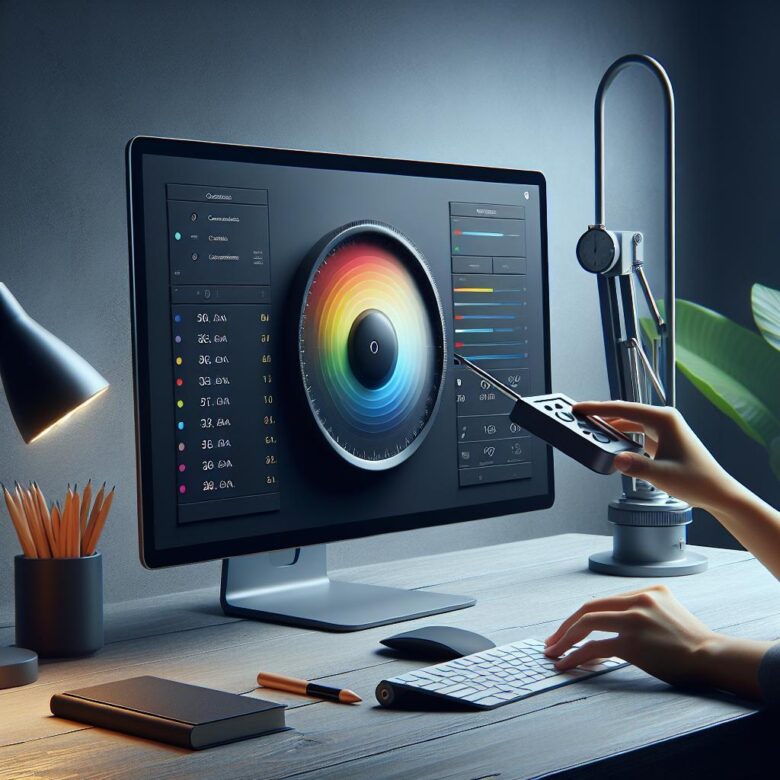
For accurate color, calibrate in neutral lighting, set a proper white point and gamma, then fine-tune brightness with a colorimeter. Recheck regularly to keep edits consistent across devices and print.
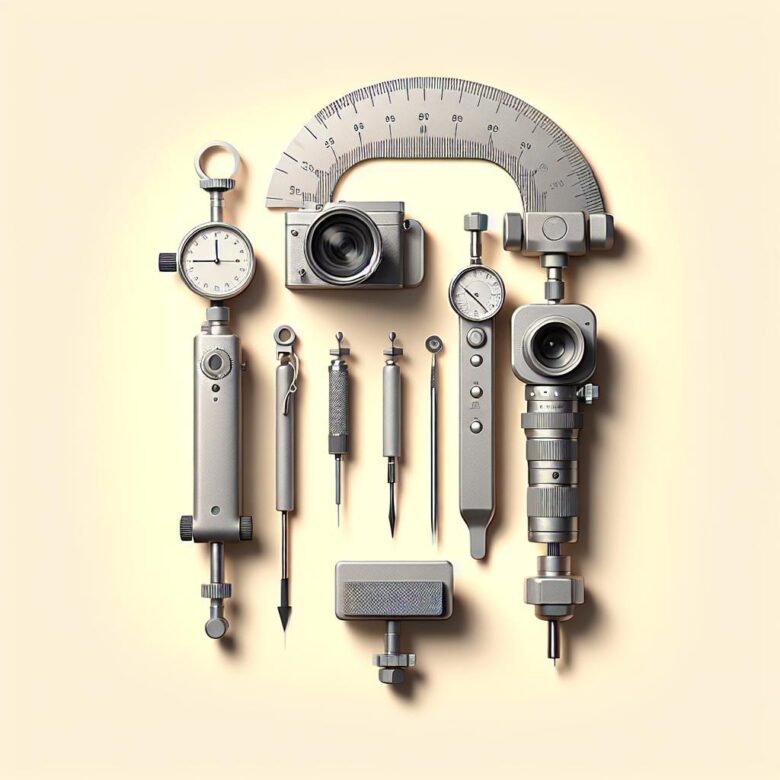
Explore the top 5 calibration tools trusted in professional photography workflows to ensure accurate color, monitor consistency, and reliable print matching from capture to final delivery.

For HDR, brightness isn’t just about higher nits-it’s about matching peak luminance to content mastering and room light. Most viewers get the best balance around 600-1,000 nits.

Aspect ratio defines a screen’s width-to-height shape. Choose 16:9 for general use, 21:9 for immersive multitasking, and 4:3 when vertical workspace or legacy content matters most.